cloud computing application
Ads
Introduction
Cloud computing applications have revolutionized the way businesses and individuals access, store, and manage data. As technology continues to advance at a rapid pace, the benefits of cloud computing applications cannot be overstated. This article will delve into the strengths and weaknesses of cloud computing applications, provide detailed explanations of their capabilities, and offer insights into how they can be leveraged for maximum benefit.


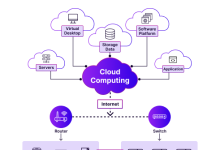
Cloud computing applications refer to the use of remote servers hosted on the internet to store, manage, and process data, rather than a local server or a personal computer. This allows for greater flexibility, scalability, and cost-effectiveness compared to traditional on-premises infrastructure.
There are several key advantages of cloud computing applications that make them an essential tool for businesses and individuals alike. These include:
Advantages of Cloud Computing Applications
1. Cost-Effective
One of the primary benefits of cloud computing applications is their cost-effectiveness. By outsourcing data storage and management to a third-party provider, businesses can eliminate the need for costly hardware and infrastructure.
2. Scalability
Cloud computing applications allow for seamless scalability, enabling businesses to quickly adjust their storage and computing resources based on demand. This flexibility is essential for businesses with fluctuating data requirements.
3. Accessibility
With cloud computing applications, users can access their data from anywhere with an internet connection. This level of accessibility is crucial for remote workforces and individuals who need to collaborate on projects from different locations.
4. Security
Cloud computing applications offer robust security measures to protect sensitive data from breaches and cyber threats. With encryption, multi-factor authentication, and regular security updates, cloud providers ensure that data remains safe and secure.
5. Disaster Recovery
In the event of a data breach or natural disaster, cloud computing applications provide reliable disaster recovery solutions to restore data quickly and minimize downtime. This level of resilience is vital for businesses to stay operational during unforeseen circumstances.
6. Collaboration
Cloud computing applications facilitate real-time collaboration among teams by allowing multiple users to access and edit documents simultaneously. This feature streamlines workflows and improves productivity across the organization.
7. Innovation
By leveraging cloud computing applications, businesses can stay ahead of the curve and embrace innovative technologies such as artificial intelligence, machine learning, and internet of things. This enables organizations to drive growth and remain competitive in today’s digital landscape.
Weaknesses of Cloud Computing Applications
While cloud computing applications offer numerous benefits, they also come with their own set of weaknesses that businesses and individuals should be aware of. Some of the potential drawbacks include:
1. Downtime
Cloud computing applications rely on internet connectivity, so if there is a disruption in service, users may experience downtime. This can impact productivity and cause frustration among users who rely on cloud services for daily operations.
2. Security Concerns
Despite the robust security measures implemented by cloud providers, there is always a risk of data breaches and cyber attacks. Businesses must remain vigilant and implement additional security protocols to safeguard their sensitive information.
3. Compliance Issues
Businesses operating in highly regulated industries may face compliance challenges when using cloud computing applications. Ensuring that data is stored and managed in accordance with industry regulations is essential to avoid potential legal ramifications.
4. Data Portability
Migrating data between different cloud platforms can be a complex and time-consuming process. Businesses should carefully consider data portability issues before adopting cloud computing applications to ensure seamless transitions if needed.
5. Connectivity Problems
Users in remote or rural areas with limited internet connectivity may encounter challenges accessing cloud-based applications. This can hinder collaboration and productivity for individuals or teams working in these locations.
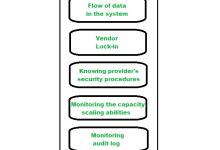
6. Vendor Lock-In
Some cloud providers may implement proprietary technology or pricing models that make it difficult for businesses to switch providers. This vendor lock-in can limit flexibility and hinder organizations from exploring alternative solutions.
7. Lack of Control
When data is stored in the cloud, businesses relinquish a certain degree of control over their information. This can raise concerns about data ownership, privacy, and regulatory compliance that must be carefully addressed by organizations.
Table: Cloud Computing Application Details
| Feature | Description |
|---|---|
| Cost-Effective | Outsourcing data storage and management |
| Scalability | Adjust resources based on demand |
| Accessibility | Access data from anywhere with internet |
| Security | Robust measures to protect data |
| Disaster Recovery | Reliable solutions for data restoration |
| Collaboration | Real-time collaboration among teams |
| Innovation | Embrace cutting-edge technologies |
Frequently Asked Questions (FAQs)
1. How secure are cloud computing applications?
Cloud computing applications employ encryption, multi-factor authentication, and other security measures to protect user data from breaches.
2. Can cloud applications be customized to suit specific business needs?
Many cloud providers offer customizable solutions that can be tailored to meet the unique requirements of businesses.
3. What happens if there is a data breach in a cloud application?
In the event of a data breach, cloud providers have robust disaster recovery solutions in place to mitigate the impact and restore data securely.
4. Are cloud applications suitable for small businesses?
Cloud computing applications are well-suited for small businesses due to their cost-effectiveness, scalability, and accessibility.
5. How can businesses ensure compliance with industry regulations when using cloud applications?
Businesses should work closely with cloud providers to ensure that data is stored and managed in compliance with industry regulations.
6. Can cloud applications integrate with existing on-premises systems?
Many cloud providers offer seamless integration capabilities to connect cloud applications with existing on-premises systems for enhanced functionality.
7. What are the key factors to consider when selecting a cloud computing provider?
Key factors to consider include security measures, scalability options, pricing models, technical support, and data portability features.
Conclusion
As technology continues to evolve, cloud computing applications remain a powerful tool for businesses and individuals seeking to streamline operations, drive innovation, and enhance collaboration. By understanding the strengths and weaknesses of cloud computing applications, organizations can make informed decisions about adopting these transformative technologies to propel their success in the digital age.
Take action today and explore the endless possibilities of cloud computing applications to unlock new opportunities and stay ahead of the competition. Embrace the power of the cloud and unleash your full potential in the digital landscape.
Disclaimer: The information provided in this article is for educational and informational purposes only. It is not intended as professional advice and should not be used as a substitute for consultation with a qualified expert. Readers are encouraged to conduct further research and seek guidance from a knowledgeable source before making any decisions based on the content of this article.